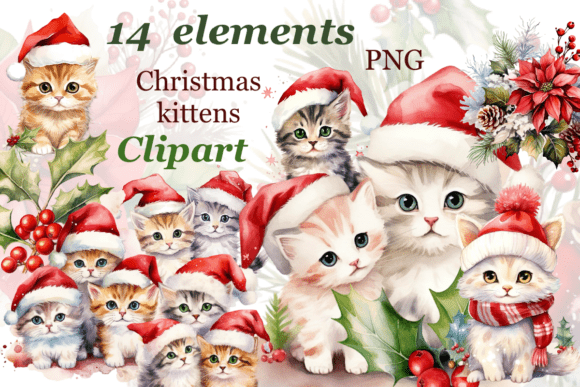
Christmas Kitten Clip Art for Illustrations and Blog Graphics
As a digital publisher who has spent years tweaking blog layouts, optimizing editorial workflows, and designing assets that need to perform on both desktop and mobile screens, I have learned that visual quality is not just an aesthetic choice—it is a trust signal. When you are preparing content for a website, newsletter, or affiliate campaign, the difference between a polished, professional look and a cluttered, amateur appearance often comes down to the specific design assets you choose. Recently, I evaluated a popular Christmas Kitten Clip Art pack intended for use in real publishing projects. Below is my review of how this graphic design asset fits into a modern content marketing strategy.
The First Impression: Editorial Mood and Niche Fit
The immediate takeaway from reviewing these illustrations is their distinct editorial mood. This is not generic clip art; it carries a playful yet refined energy that aligns well with lifestyle-focused brands, feminine aesthetics, and seasonal storytelling. For bloggers and online educators, setting the right tone at the very first glance is critical. If your content niche revolves around parenting, pet care, cozy lifestyle topics, or holiday-themed guides, this modern design element can instantly communicate warmth and approachability.
From a web design perspective, the visual hierarchy created by these kitten illustrations is strong without being overwhelming. They feel clean enough to sit beside serif fonts for a classic editorial look, yet bold enough to stand out against sans-serif typography in a more contemporary layout. This versatility allows small business owners and creative entrepreneurs to maintain a consistent brand identity while still injecting personality into their seasonal content. The illustrations support a narrative of comfort and joy, which naturally increases reader engagement during the holiday season when audiences are looking for uplifting, shareable content.
Real-World Publishing Applications
In my workflow, I rarely use a single image across multiple platforms. Instead, I adapt core design assets to fit specific channels. Here is how Christmas Kitten Clip Art can be integrated into a comprehensive content marketing plan:
- Blog Featured Images and Article Headers: These illustrations work beautifully as focal points in hero images. By placing them strategically alongside headline text, you create a clear visual path for the reader’s eye, improving click-through potential from search results or social media feeds.
- Pinterest Pins and Social Media Graphics: Visual discovery platforms rely heavily on high-contrast, emotionally resonant imagery. A cute, well-rendered kitten illustration captures attention in a crowded feed. You can use these assets to create eye-catching Pinterest pins that drive traffic back to your affiliate content or digital products.
- Newsletter Banners and Email Design: Email open rates are influenced by subject lines and preview text, but the body design keeps readers engaged. Using these illustrations as accents in newsletter headers or within article previews adds a touch of professionalism and seasonal cheer that encourages clicks.
- Digital Guides and Lead Magnets: If you are creating downloadable resources such as eBooks, worksheets, or printable checklists, cover design matters. These illustrations can serve as the primary visual for a lead magnet, making the offer feel valuable and curated. This is particularly effective for digital download products where perceived value drives conversions.
- Canva Templates and Content Upgrades: For creators who build templates for their audience, incorporating these illustrations ensures that the final product looks cohesive. Whether used in a Canva template for social media or as decorative elements in a content upgrade, they enhance the overall user experience.
Impact on Content Performance and Brand Identity
Using high-quality design assets directly influences how your audience perceives your authority. When your visuals are sharp, thematic, and professionally composed, it signals that you care about the details. This builds stronger reader trust and improves category recognition. Over time, consistent use of a specific visual style helps establish a unique brand identity.
For affiliate marketers and digital product sellers, visual appeal is a conversion factor. A blog post promoting holiday gifts will perform better if the accompanying graphics are engaging rather than plain text boxes. Similarly, when designing a media kit for sponsorships, showcasing a portfolio that includes thoughtful creative design elements demonstrates your capability to deliver high-standard campaigns. These illustrations provide the "polish" that makes your content look clickable and trustworthy.
Strategic Placement: Where It Works Best
To maximize the effectiveness of these illustrations, consider where they add the most value:
- Hero Images: Use them as the main visual anchor to set the theme for long-form articles.
- Article Thumbnails: Ensure they are legible at smaller sizes to encourage clicks in blog roll listings.
- Editorial Accents: Use them as subtle background elements or dividers to break up text blocks without distracting from the copy.
- Social Media Previews: Optimize them for square or vertical formats to ensure visibility on Instagram and Pinterest.
- Downloadable Resources: Apply them to printables and worksheets to increase the perceived worth of free downloads.
Areas Requiring Careful Consideration
Not every design asset fits every context. There are scenarios where using playful kitten illustrations might undermine your message:
- Small Mobile Thumbnails: If the detail level is high, the image may become muddy on small screens. Test scaling carefully.
- Text-Heavy Blog Images: Avoid overlaying too much text on busy illustrations, as this harms readability and accessibility.
- Low-Contrast Backgrounds: Ensure the illustration stands out against your site’s background color. Poor contrast reduces visual impact.
- Busy Layouts: If your website already has many decorative elements, adding more can create visual noise. Balance is key.
- Serious Professional Niches: In corporate content, legal advice, or serious financial blogging, playful illustrations may seem unprofessional. Reserve them for lifestyle, creative, or consumer-facing niches.
Practical Publisher Notes for Implementation
Before integrating any commercial design asset into your monetized websites or affiliate pages, follow these technical and legal checks:
Test Across Devices: Preview the asset on desktop, tablet, and mobile screens. Check how it renders in different browsers and ensure it does not distort the layout.
Check Contrast and Readability: Place the illustration next to your headline text. Does it compete with the words? Adjust opacity or add overlays if necessary to maintain a clear visual hierarchy.
Font Pairing Experiments: Try placing the asset beside serif, sans-serif, script, handwritten, and display font styles. Determine which combination best supports your brand voice without creating visual conflict.
Review File Size and Compression: Large image files slow down page load times, which negatively impacts SEO and user experience. Compress images properly using tools like TinyPNG or Squoosh before uploading them to your content management system.
Confirm Commercial Licensing: Always verify the commercial license terms. Ensure you are permitted to use the asset on monetized websites, in paid ads, and within digital products. Failure to comply can lead to legal issues and loss of revenue.
By treating Christmas Kitten Clip Art as a strategic component of your editorial design rather than just a decoration, you can elevate your blog’s presentation, strengthen your visual identity, and create content that resonates deeply with your audience. Whether you are updating your website header, creating new Pinterest pins, or designing a seasonal lead magnet, these illustrations offer a versatile, high-quality solution for modern digital publishers.